

While living high above city streets shields residents from traffic fumes, the monsoon brings hidden indoor hazards that can trigger severe asthma and allergies. Here is how to keep your lungs safe.
Column by Dr. Mayank Saxena
For many residents of Noida’s high-rise apartments, living several storeys above the ground offers a comforting sense of escape from automobile exhaust fumes, roadside dust, and the bustle of city life. While higher floors may reduce exposure to certain outdoor pollutants, the monsoon introduces a distinct set of respiratory hazards that are far less visible and often hidden within the home itself.
Every rainy season brings a familiar pattern to respiratory clinics. More people seek medical attention for persistent coughing, wheezing, breathlessness, worsening allergies, and asthma attacks, despite spending most of their time indoors. The culprit is often not the rain itself, but the indoor environment that the monsoon creates.
High humidity, damp walls, inadequate ventilation, and prolonged use of air-conditioners create ideal conditions for allergens to thrive. For people with asthma, these changes can make the rainy season one of the most challenging times of the year.
Hidden Indoor Triggers
1. Mould Growth
One of the primary culprits is mould. Seepage from terraces, upper floors, or window frames can leave walls and ceilings persistently damp. Bathrooms, kitchens, and air-conditioner ducts are also common sites for fungal growth. Mould releases microscopic spores that become airborne and are easily inhaled. In people with allergies or asthma, these spores can inflame the airways, leading to persistent coughing, wheezing, chest tightness, and asthma attacks. Symptoms are often more troublesome at night, when people spend extended periods indoors.
2. Dust Mites
Humidity also fuels the rapid growth of dust mites. These microscopic organisms flourish when indoor humidity rises above approximately 70 per cent. They live in mattresses, pillows, upholstered furniture, carpets, curtains, and soft toys. Proteins in their droppings—rather than the mites themselves—trigger allergic reactions. Increased exposure can worsen asthma and allergic rhinitis, causing frequent coughing, wheezing, and a blocked or runny nose.
3. Impact on Children
Children are particularly vulnerable. Their airways are smaller, their immune systems are still developing, and they spend long hours indoors during the rains. A child who repeatedly wakes up coughing, sneezes every morning, has a persistently blocked nose, or develops wheezing after every viral infection may not simply be “catching frequent colds”. Indoor allergens are often an important, yet overlooked, cause.
The High-Rise Paradox
High-rise living presents its own unique challenges during the monsoon. Windows often remain shut to keep out rain and mosquitoes, trapping humidity along with allergens, cooking fumes, and other indoor pollutants. Drying clothes inside the apartment—a common practice during the rainy season—adds even more moisture to the air and encourages mould growth.
The problem is not limited to individual homes. Damp basements, parking areas, lift lobbies, and poorly ventilated corridors can also become reservoirs for mould. Construction activity, common across Noida and Greater Noida, adds another trigger as rain mixes with construction dust to create fine airborne particles that irritate sensitive airways.
Contrary to popular belief, pollen and fungal spores are not confined to ground level. Wind currents carry them to upper floors, and air movement through lift shafts and service ducts can distribute dust and allergens throughout a building. In societies with central air-conditioning, poorly maintained filters may further circulate these allergens.
Furthermore, the monsoon is the season when viral respiratory infections spread more easily. Shared lifts, gyms, clubhouses, and children’s play areas become common points of contact. Even a simple viral cold can trigger a significant asthma flare-up in someone whose airways are already inflamed.
Recognising the Warning Signs
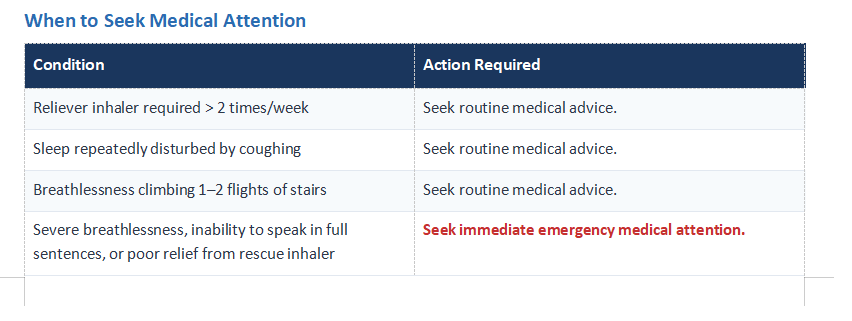
The warning signs of worsening asthma are often subtle at first:
- A cough that persists for weeks
- Increasing reliance on a rescue inhaler
- Wheezing or chest tightness upon waking
- Symptoms of allergic rhinitis, such as sneezing, itchy eyes, and a blocked nose
Note: A cough that repeatedly disturbs sleep deserves particular attention, as nocturnal symptoms are often an early sign that asthma is no longer well-controlled.
Actionable Preventive Measures
Fortunately, many of these triggers can be reduced with straightforward preventive steps.
Household Management
- Control Indoor Humidity: Aim to maintain indoor humidity between 40 and 50 per cent. Use exhaust fans in kitchens and bathrooms, repair seepage and plumbing leaks promptly, and avoid drying clothes indoors whenever possible.
- Inspect and Clean Regularly: Inspect walls, ceilings, bathrooms, window sills, and air-conditioners for signs of dampness or mould. Clean air-conditioner filters monthly during the monsoon.
- Allergen Protection: Use dust mite-proof covers for mattresses and pillows, wash bed linen regularly, and vacuum with a HEPA-filter vacuum cleaner to significantly reduce allergen exposure.
- Ventilate Mindfully: Briefly open windows after rainfall—once the outside air is less humid—to improve ventilation.
- Avoid Irritants: Eliminate indoor irritants such as incense sticks, camphor, mosquito coils, scented candles, and aerosol sprays, especially in homes where someone has asthma or allergies.
Society-Level Responsibilities (RWAs)
- Resident Welfare Associations (RWAs) play a critical role in complex-wide health:
- Promptly repair seepage and maintain effective drainage systems.
- Ensure regular cleaning of basements, lift lobbies, and water tanks.
- Maintain ventilation, air-conditioning systems, and complex gardens to reduce dampness and mould growth.
- Keep clubhouses and gyms clean and well-ventilated.
Medical Guidelines and Self-Care
- Stick to Prescribed Treatment: For people with asthma, preventive treatment should continue exactly as prescribed, even when symptoms improve. Controller inhalers reduce airway inflammation and are particularly important during the monsoon. Keep rescue inhalers easily accessible at all times.
- Wear Protective Gear: Wear a well-fitting mask while passing through parking basements, construction areas, or during society cleaning activities to reduce exposure to airborne irritants.
- Consider Vaccination: An annual influenza vaccination, when recommended by a physician, can further reduce the risk of viral infections that commonly precipitate asthma attacks.
Conclusion
High-rise living undoubtedly offers many advantages, but it does not eliminate the risk of respiratory allergies. During the monsoon, the greatest threats are often hidden indoors rather than carried in from outside. Keeping the home dry, maintaining good indoor air quality, addressing dampness early, and adhering to prescribed treatment remain the best ways to prevent seasonal flare-ups. With a few thoughtful measures at both the household and society level, residents can enjoy the monsoon from their balconies without compromising their lung health.
Dr. Mayank Saxena is an Additional Director, Pulmonology at Fortis hospital, Sector 62, Noida. He can be reached at 9958978170.